
Introduction
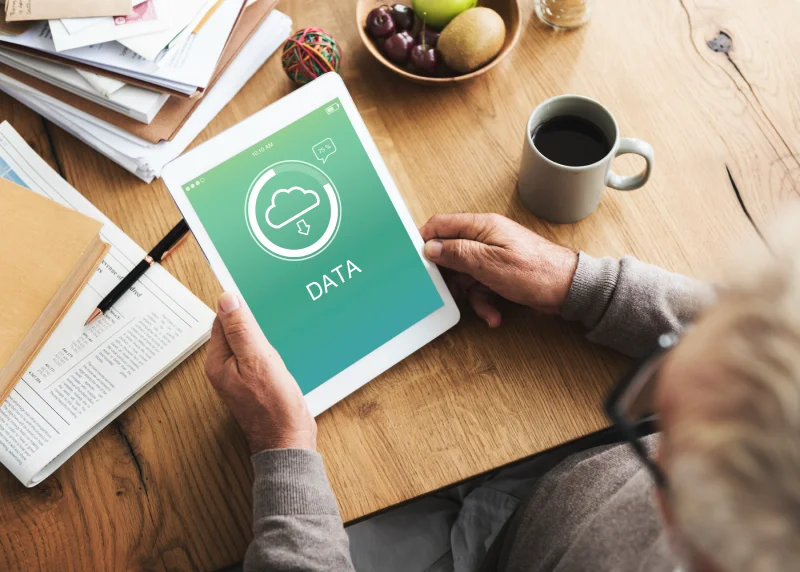
Data Logging and Traceability Applications are important tools used in modern industrial environments to monitor and track production processes. These systems collect data from machines, sensors, and production equipment and store it for analysis. This helps companies maintain accurate records of their operations.
In many industries, maintaining product history is very important. Traceability systems allow companies to track every product from raw material to final delivery. This ensures transparency and better-quality control.
How Data Logging Works
Data logging systems collect information from different machines and devices during production. This information can include temperature, pressure, machine speed, production time, and other important parameters.
The system automatically stores this data in a central database. Managers and engineers can access the information whenever needed to analyze production performance.
Importance of Traceability
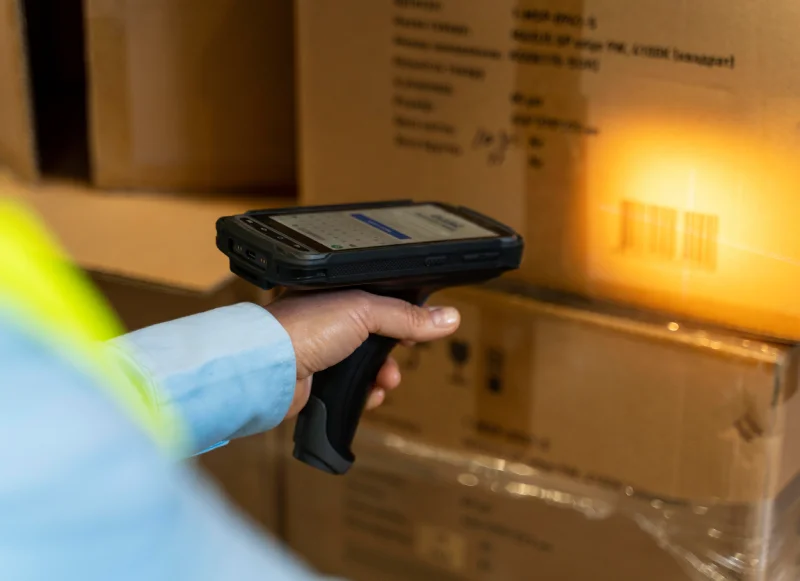
Traceability allows businesses to track the history of a product throughout the manufacturing process. Companies can see when a product was produced, which machine was used, and which materials were involved.
This is very useful when identifying production problems. If a defect is discovered, the company can quickly trace the source of the problem and take corrective action.
Key Features
Data logging systems provide real-time monitoring of production activities. Managers can view production data through dashboards and reports.
Another important feature is automated data storage. The system records data continuously without manual input, ensuring accuracy and reliability.
Industry Applications
Traceability systems are widely used in industries such as pharmaceuticals, automotive manufacturing, food processing, and electronics production. These industries require detailed production records to meet quality and regulatory standards.
For example, in pharmaceutical manufacturing, traceability ensures that every batch of medicine can be tracked and verified.
Benefits for Businesses
Data logging and traceability systems help businesses improve efficiency and product quality. Managers can identify production problems quickly and reduce downtime.
These systems also support quality control by maintaining accurate production records. This helps companies meet industry standards and customer expectations.
Improving Decision Making
With detailed production data available, companies can analyze their operations more effectively. Managers can identify trends, detect inefficiencies, and improve production planning.
This leads to better decision-making and more efficient operations.
Future of Data Monitoring
As industries adopt digital technologies, data logging systems are becoming more advanced. Integration with cloud platforms and industrial IoT allows companies to monitor production remotely.
This technology will continue to improve industrial productivity and operational transparency.
Future of Vision Technology
Industrial vision technology continues to evolve with the development of artificial intelligence and machine learning. These technologies allow systems to detect more complex defects and improve inspection accuracy.
As industries continue to adopt automation and smart manufacturing, industrial vision systems will become even more important for maintaining quality and efficiency.